Understanding Search Intent: The New Era of Semantic SEO
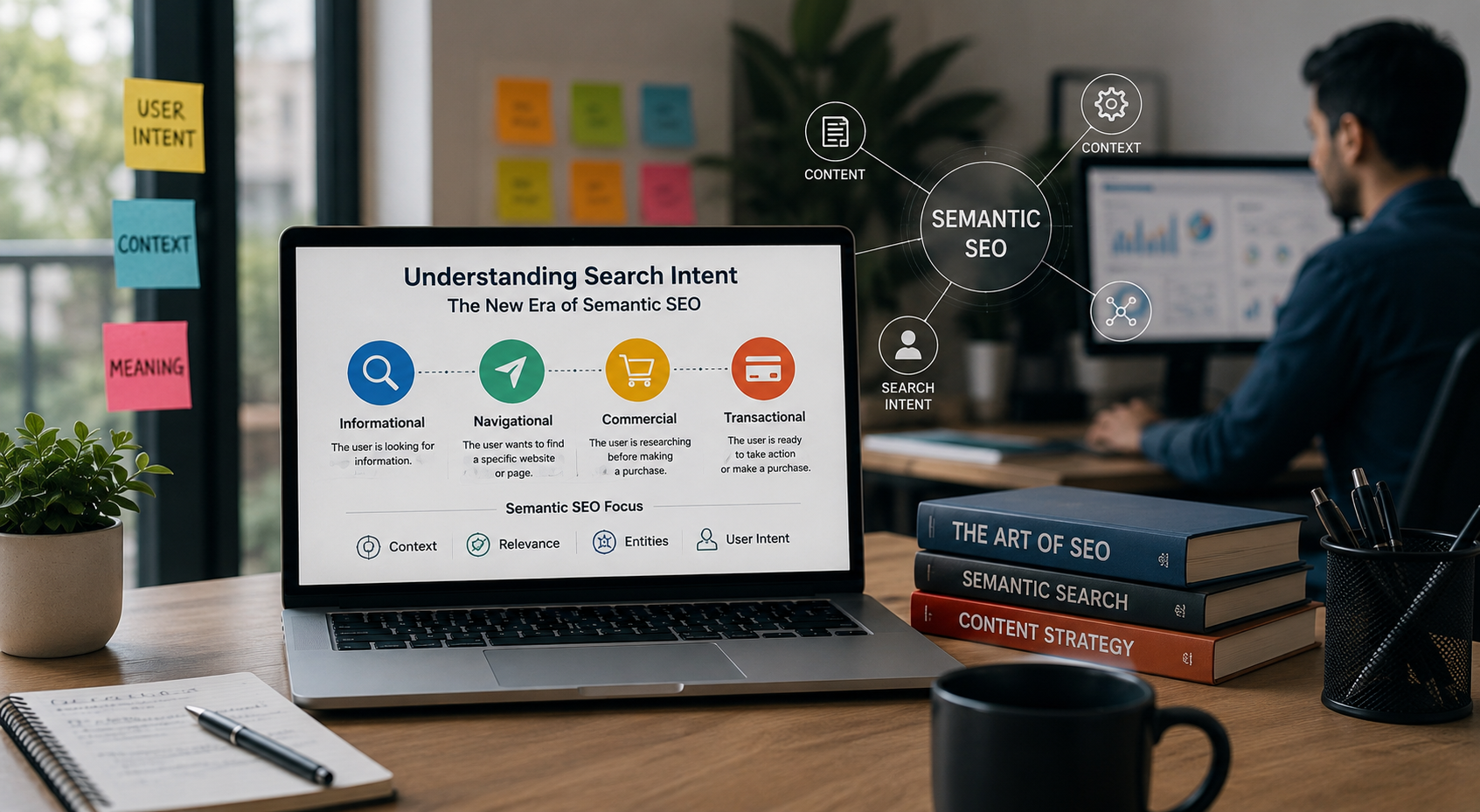
Search engine optimization has evolved significantly over the years, moving far beyond the traditional practice of targeting exact-match keywords. Today, search engines are capable of understanding the meaning, context, and intent behind user queries. This shift has given rise to Semantic SEO, a strategy that focuses on creating content that comprehensively addresses a topic rather than repeatedly using specific keywords. By understanding relationships between words, concepts, and entities, search engines can deliver more accurate and relevant results to users.
Semantic SEO emphasizes the importance of search intent. Instead of optimizing a page for a single keyword, content creators aim to answer a wide range of related questions and provide complete information on a subject. For example, an article about digital marketing may naturally include discussions about content strategy, social media, analytics, and customer engagement. This broader approach helps search engines recognize the depth and relevance of the content, increasing its chances of ranking for multiple related search queries.
Another key aspect of Semantic SEO is the use of topic clusters and contextual relevance. Search engines analyze how different pieces of content connect to one another and whether they collectively demonstrate expertise in a particular area. By organizing content into interconnected topics and supporting pages, websites can build authority and improve their visibility in search results. This strategy not only benefits search engines but also creates a more informative and user-friendly experience for visitors.
The rise of artificial intelligence and natural language processing has further strengthened the importance of semantic search. Modern search algorithms can understand synonyms, related concepts, and conversational language, allowing them to interpret queries more effectively than ever before. As a result, content that focuses on delivering value and answering user needs often performs better than content that simply repeats keywords. This encourages businesses and publishers to prioritize quality, relevance, and clarity in their content strategies.
As search technology continues to advance, Semantic SEO is becoming an essential component of successful digital marketing. Websites that focus on comprehensive topic coverage, user intent, and meaningful content relationships are better positioned to achieve sustainable search visibility. By moving beyond exact-match keywords and embracing a more holistic approach, businesses can create content that serves both search engines and users more effectively.
Creativity Meets Code.
Join our mailing list
© Copyright xklsv 2026. All Rights Reserved
xklsv