Strengthening Large Websites with Smart Internal Linking Strategies
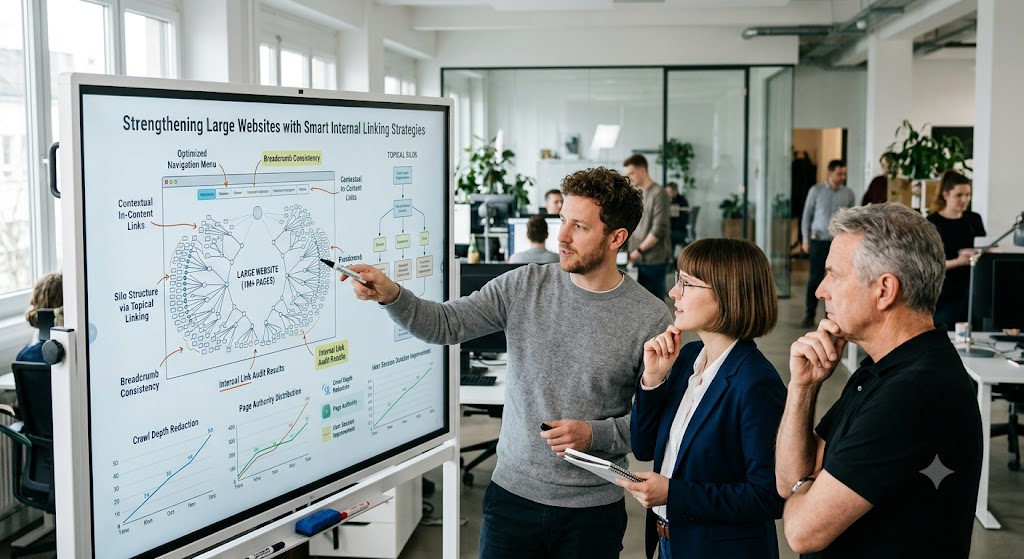
As websites grow in size, managing their content becomes increasingly complex. Hundreds or even thousands of pages can make it difficult for users and search engines to discover valuable information. This is where advanced internal linking strategies become essential. Internal links create a structured network between related pages, helping search engines understand the hierarchy of a website while making navigation easier for visitors. A well-planned linking strategy ensures that important pages receive the visibility they deserve and contributes to stronger overall SEO performance.
One of the most effective approaches is to organize content into topic clusters. In this strategy, a central pillar page covers a broad subject and links to multiple detailed articles that explore specific aspects of the topic. These supporting pages also link back to the pillar page and, where relevant, to one another. This interconnected structure helps search engines recognize topical authority and enables users to explore related content without leaving the website. As a result, both user engagement and organic search rankings can improve over time.
Another advanced strategy involves prioritizing links based on page importance and user intent. High-value pages, such as service pages, cornerstone articles, or product categories, should receive more internal links from relevant content across the site. Using descriptive anchor text rather than generic phrases helps search engines understand the destination page while providing users with clear expectations about the content they will find. Regularly auditing internal links also helps identify orphan pages, broken links, and outdated references that can negatively impact website performance.
Large websites can also benefit from dynamic internal linking, where related articles, popular resources, or recommended content are displayed automatically based on categories or tags. This approach keeps older content relevant and encourages visitors to explore additional pages, increasing session duration and reducing bounce rates. Combining dynamic linking with breadcrumbs and logical navigation menus further enhances both usability and crawl efficiency. These elements work together to create a seamless browsing experience for users while making it easier for search engine bots to index the website.
An effective internal linking strategy is much more than simply connecting pages. It is a long-term SEO practice that improves website organization, distributes authority across important pages, and enhances the overall user experience. By implementing advanced linking techniques and maintaining a logical content structure, large websites can improve search visibility, encourage deeper user engagement, and build stronger topical authority in their respective industries.
Creativity Meets Code.
Join our mailing list
© Copyright xklsv 2026. All Rights Reserved
xklsv