Optimizing Visibility in a Headless World: SEO for API-Driven Websites
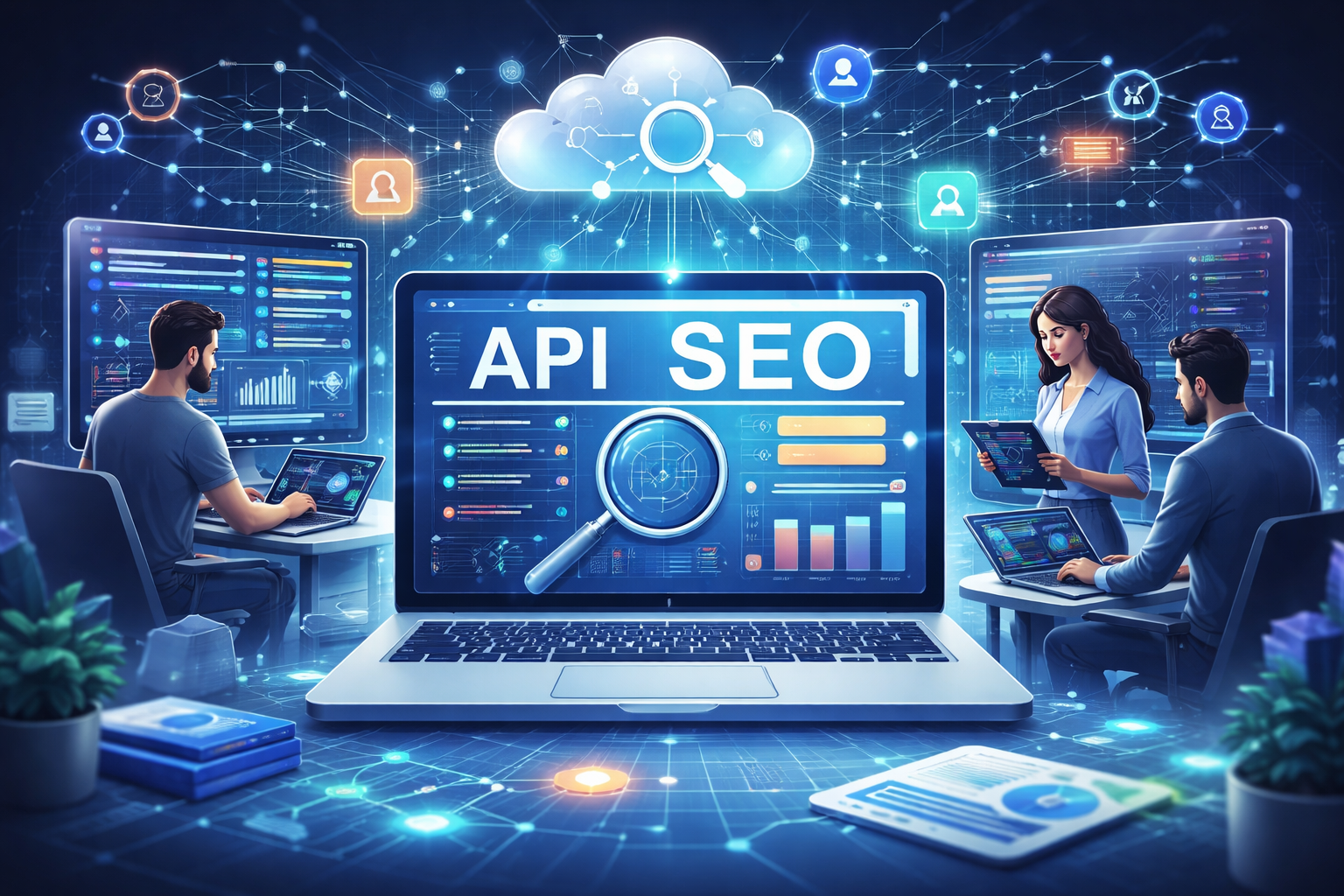
API-driven websites have transformed the way modern web applications are built, enabling seamless integration between front-end interfaces and back-end data services. Unlike traditional websites, where content is rendered directly on the server, API-driven architectures often rely on client-side rendering, making it challenging for search engines to properly crawl and index content. This shift requires a more strategic approach to SEO, ensuring that content delivered through APIs remains accessible and visible to search engine bots.
One of the primary challenges in API-driven SEO is ensuring proper rendering of content. Since many API-based websites depend heavily on JavaScript to fetch and display data, search engines may struggle to interpret dynamic content if not handled correctly. Implementing server-side rendering (SSR) or pre-rendering techniques can significantly improve crawlability, allowing search engines to access fully rendered HTML versions of pages. This ensures that important content is indexed efficiently, reducing the risk of missing or incomplete search listings.
Another important aspect is managing URLs and content structure. API-driven websites often generate dynamic endpoints, which may not be SEO-friendly by default. Creating clean, descriptive, and consistent URLs is essential for both users and search engines. Additionally, maintaining a well-organized internal linking structure helps search engines understand the hierarchy and relevance of content, even when data is being served dynamically through APIs.
Performance optimization also plays a critical role in SEO for API-driven websites. Since data is fetched from external sources, slow API responses can negatively impact page load speed, which is a key ranking factor. Techniques such as caching API responses, optimizing data payloads, and using content delivery networks (CDNs) can improve load times and enhance user experience. Faster websites not only rank better but also reduce bounce rates and increase user engagement.
Finally, monitoring and testing are essential to ensure ongoing SEO success. Regular audits using tools that simulate search engine crawlers can help identify rendering issues, broken links, or indexing problems. By combining technical optimization with continuous performance tracking, API-driven websites can achieve strong search visibility while maintaining the flexibility and scalability that modern web development demands.
Creativity Meets Code.
Join our mailing list
© Copyright xklsv 2026. All Rights Reserved
xklsv